


Non Emergency Patient Transport Explained: Routine Medical Transport Solutions
- ABS Editor
- Jan 6
- 4 min read
When it comes to healthcare, the journey to and from medical appointments is just as important as the care received. I have seen how crucial it is for patients to have a safe, comfortable, and reliable way to travel, especially when their condition does not require emergency services. This is where routine medical transport solutions come into play. They provide a vital service that supports patients, families, and healthcare providers alike.
In this post, I want to share everything you need to know about non emergency patient transport. I will explain what it is, why it matters, and how it works. I will also cover practical details like costs and how to choose the right provider. My goal is to help you feel confident and informed about this essential service.
Understanding Routine Medical Transport Solutions
Routine medical transport solutions are designed to help patients who need assistance getting to medical appointments but do not require urgent or emergency care. This service is especially important for those who may have mobility challenges, chronic conditions, or require special equipment during travel.
These transport options include wheelchair-accessible vehicles, stretcher transport, and ambulatory services with trained staff. The vehicles are equipped to ensure safety and comfort throughout the journey. The staff are often trained in basic medical care and patient handling, which adds an extra layer of reassurance.
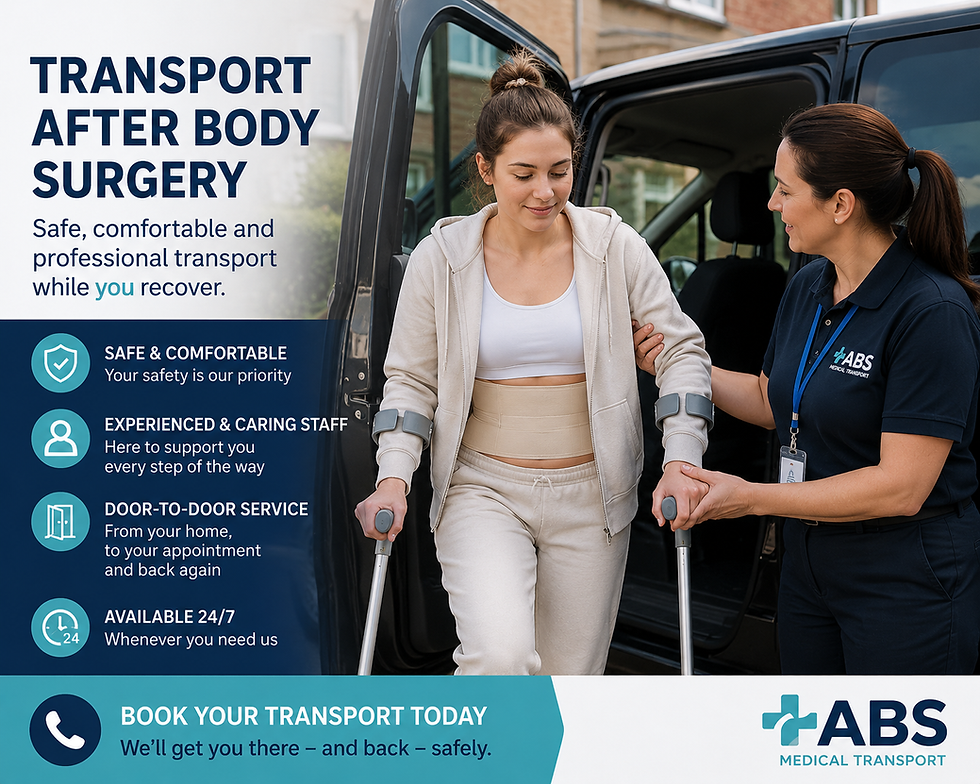
For example, a patient recovering from surgery might need a gentle, steady ride to a follow-up appointment. Or an elderly person with limited mobility might require a wheelchair-accessible vehicle to attend a routine check-up. These solutions are tailored to meet those needs with care and professionalism.

Why Routine Medical Transport Solutions Matter
The importance of routine medical transport solutions cannot be overstated. They provide more than just a ride; they offer peace of mind. Patients can focus on their health without worrying about how they will get to their appointments safely.
This service also reduces the strain on emergency services by ensuring that non-urgent cases are handled appropriately. It helps healthcare providers by improving appointment attendance rates and reducing missed visits. For families and carers, it offers a dependable option that respects the dignity and comfort of their loved ones.
Moreover, routine medical transport solutions are inclusive. They cater to a wide range of needs, from simple ambulatory transport to more complex cases requiring stretcher support. This flexibility makes them an essential part of the healthcare ecosystem.
How much to charge for non-emergency medical transportation?
Setting the right price for non-emergency medical transportation is a balancing act. It must reflect the quality of service, the level of care provided, and operational costs, while remaining affordable for patients and healthcare providers.
Several factors influence pricing:
Distance and duration of the journey
Type of vehicle required (wheelchair accessible, stretcher, etc.)
Level of care needed during transport
Additional services such as assistance with mobility or medical equipment
For example, a short trip in a basic wheelchair-accessible vehicle will cost less than a longer journey requiring a stretcher and medical supervision. Transparency in pricing is key. Patients and organisations should receive clear information upfront to avoid surprises.
Providers often offer packages or contracts for regular users, such as care homes or private hospitals, which can help manage costs effectively. It is also important to consider insurance and regulatory compliance when setting prices.
Choosing the Right Provider for Your Needs
Selecting a provider for routine medical transport solutions is a decision that should be made with care. Here are some practical tips to help you choose the best service:
Check credentials and licensing - Ensure the provider meets all legal and safety requirements.
Look for trained staff - Drivers and attendants should have appropriate training in patient care and handling.
Assess vehicle quality - Vehicles should be clean, well-maintained, and equipped for the specific needs of patients.
Read reviews and testimonials - Feedback from other users can provide valuable insights.
Ask about flexibility - The provider should be able to accommodate last-minute changes or special requests.
Confirm insurance coverage - This protects both the patient and the provider in case of incidents.
By following these steps, you can find a provider that offers a personalized, comfortable, and stress-free journey every time.

The Future of Non Emergency Patient Transport
Looking ahead, the future of non emergency patient transport is promising. Advances in technology and patient care are shaping new possibilities. For instance, GPS tracking and real-time updates improve scheduling and communication. Electric and hybrid vehicles are making transport more environmentally friendly.
There is also a growing emphasis on patient experience. Providers are focusing on creating a warm, reassuring atmosphere that reduces anxiety and promotes wellbeing. This aligns perfectly with the goal of ensuring every patient receives a personalized, comfortable, and stress-free journey.
As demand grows, collaboration between healthcare providers, transport services, and patients will be key. Together, they can build a system that supports health and independence for all.
Supporting Your Healthcare Journey with Trusted Transport
In my experience, the right transport service can make all the difference. Whether it’s a routine check-up or a series of treatments, having a reliable way to get there helps patients stay on track with their care.
If you are looking for a trusted partner in this area, consider exploring options for non emergency patient transport that prioritise safety, comfort, and personalised care. This service is not just about moving from point A to point B - it’s about supporting health and dignity every step of the way.
Remember, the journey matters just as much as the destination. With the right routine medical transport solutions, every patient can travel with confidence and peace of mind.
Comments